Custom metalworking for furniture: materials, finishes and applications
Custom metalworking for furniture: stainless steel, brass, aluminium and iron with handcrafted, project-specific finishes.
Metalworking for furniture makes it possible to transform materials such as stainless steel, brass, aluminium and iron into functional and decorative elements designed to integrate seamlessly into contract and residential interiors. In contemporary design, metal is chosen not only for its technical properties. Different materials, manufacturing techniques and finishes also help define the visual identity of an interior.
For architects, interior designers and design studios, choosing a specialised partner such as Metalbril means being able to develop custom metal elements while considering the aesthetic, performance and construction requirements of the project.
There is no single metal that is universally suited to furniture design. The choice depends on the desired aesthetic result, the dimensions of the element, its intended use and the type of finish required.
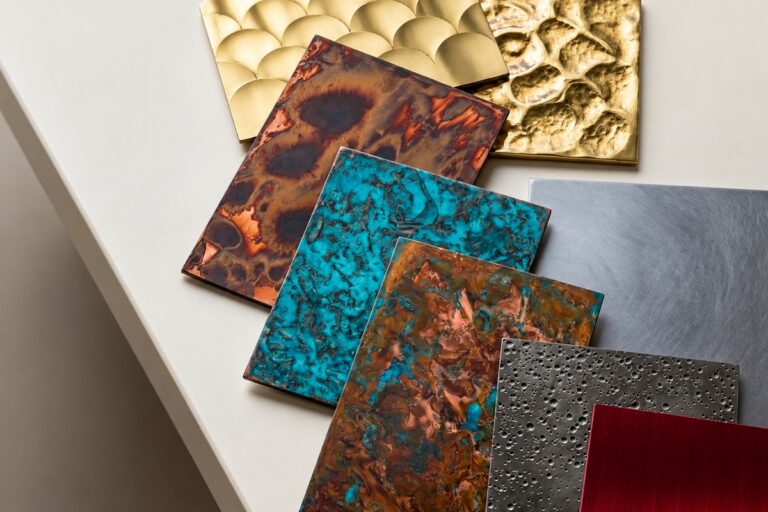
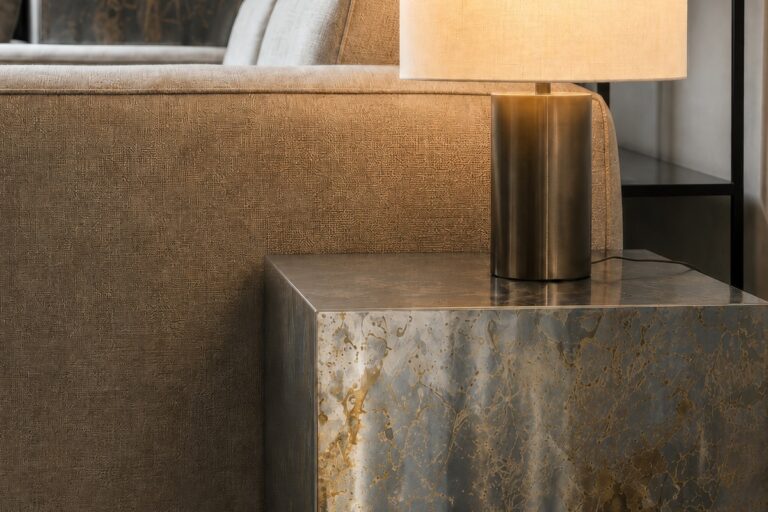
Stainless steel is a suitable choice when a project calls for a durable surface that works well in a variety of contemporary settings. Satin finishing, oxidation and polishing can alter the way metal interacts with light, ranging from a more understated effect to highly reflective surfaces.
In furniture design, it can be used for counters, wall cladding, panels, window and door frames, stairs, furnishings and custom decorative elements.
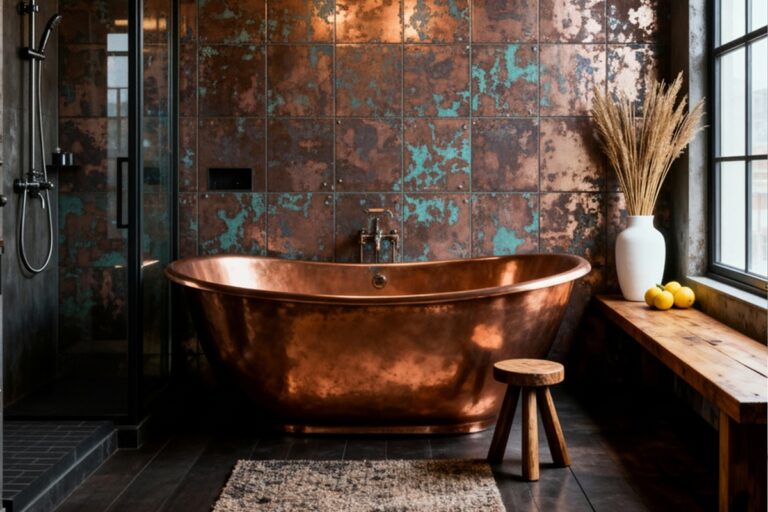
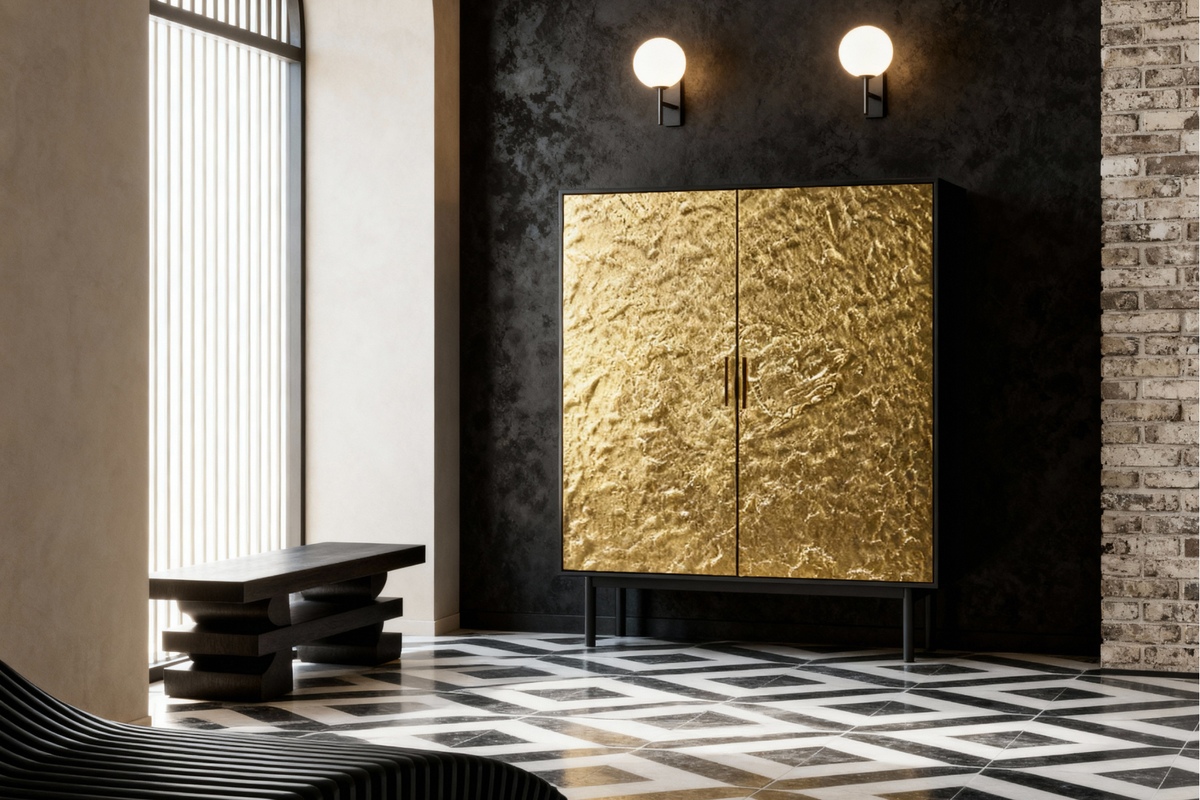
Brass introduces warm tones and a distinctive material presence that is particularly well suited to high-end interiors. It can be polished, brushed, oxidised or painted, producing very different results.
For example, brass burnishing creates deep, dark tones, while a polished surface intensifies reflections. It can be used for wall cladding, handles, frames, furnishings and architectural details.
Aluminium is an interesting choice when lightness and versatility are priorities. Its workability makes it possible to create elements with different geometries and combine them with surface treatments that alter their colour, texture and visual perception.
In contemporary projects, it can be used for panels, cladding, architectural details and furniture components, particularly when weight needs to be kept to a minimum without compromising on customisation options.
Iron is a highly expressive material that can help create interiors with a stronger character. Burnishing, painting and handcrafted processes can alter its appearance, producing either uniform surfaces or deliberately irregular finishes.
The choice of surface protection is particularly important for iron, as the material must be properly treated to prevent corrosion.
A finish is not purely an aesthetic detail. It can alter the way light, texture and colour are perceived, as well as the material quality and behaviour of the surface.
The main options include:
When creating a custom furniture element, Metalbril manages every stage in-house, from design through to installation.
To identify the most suitable solution, it is useful to consider concept, function and intended use together. A highly reflective finish, for example, can enhance a sculptural element designed as a focal point within an interior, but may be less suitable when a more understated surface is desired.
The design process should therefore begin with a few key questions:
For custom projects, sampling is a particularly important step. It makes it possible to assess colour, texture and reflections in real conditions and validate the result before production. Metalbril starts by analysing the brief and the design, develops the sample according to the client’s requirements and moves into production once the result has been approved.
A custom metal project requires expertise that goes beyond simply transforming raw materials. Design, mechanical processing, welding, surface treatments and finish control must be coordinated to achieve a result that remains consistent with the original concept.
For over 40 years, Metalbril has been creating unique metal finishes and surfaces for projects developed in collaboration with architects, interior designers, design professionals and general contractors. The combination of technical precision, craftsmanship and the development of custom finishes makes it possible to create furniture elements, cladding, stairs, furnishings and architectural details in which the metal surface becomes an integral part of the design.

Custom metalworking services for furniture in Italy are offered by specialised companies such as Metalbril, which can handle both the production of the element and its surface treatments. For an interior design project, it is important to check which metals and processes a supplier can provide, which finishes they can develop and whether they offer the option of producing samples so that the result can be approved before production.
Common applications include frames and structures, tables and furnishings, wall cladding, decorative panels, staircases, handles, doors and architectural details. The choice of metal depends on the required properties: stainless steel is suitable for durable surfaces, brass for refined decorative solutions, aluminium for lightweight elements and iron for spaces that call for a strong material presence.
The main techniques include oxidation, polishing, satin finishing, painting and handcrafted material treatments. The choice of process depends on the desired effect and the base material.
Do you have a custom furniture project in mind? Contact Metalbril to choose the metal, process and finish best suited to your concept.

Fill out the form to request a no-obligation quote or to get more information about our services.
 Back to top