Metal fabrication for furniture: the added value of metal finishes in furniture and surface design
Metal fabrication for furniture: finishes, metals and bespoke craftsmanship that give character to furniture and surfaces.
In contemporary design, metal can play a role that goes far beyond its structural function. It can become a furniture surface, a detail, a decorative element or the true focal point of an interior. This is where metal fabrication for furniture meets interior design: not simply a process for creating functional elements, but a way to shape a distinctive design language.
For architects and interior designers, the choice of metal and its finish influences the appearance, tactile quality and relationship of an element with the surrounding light, colours and materials. Metalbril works in this field, developing custom metalwork and finishes for furniture and architecture.
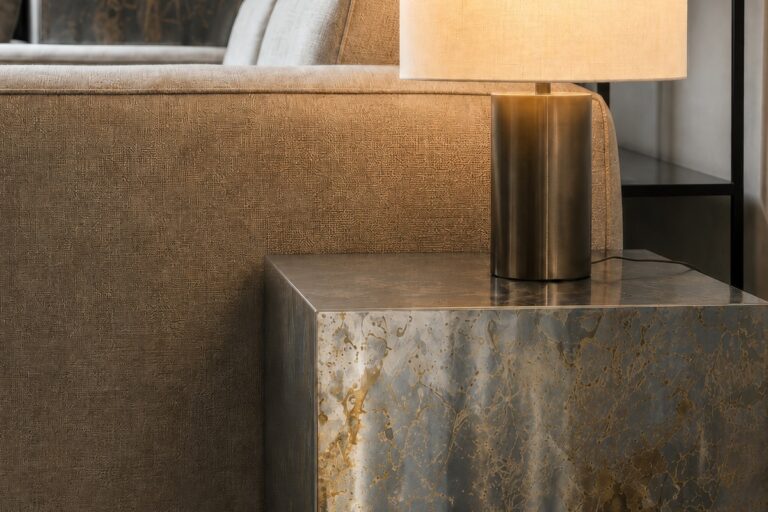
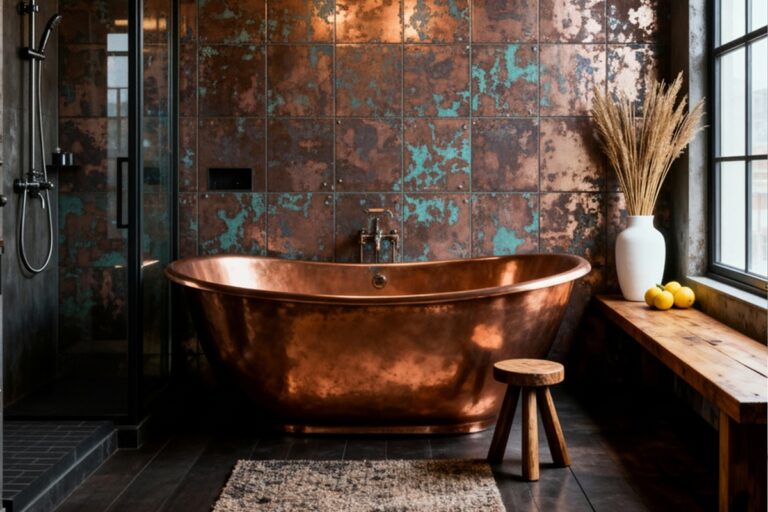
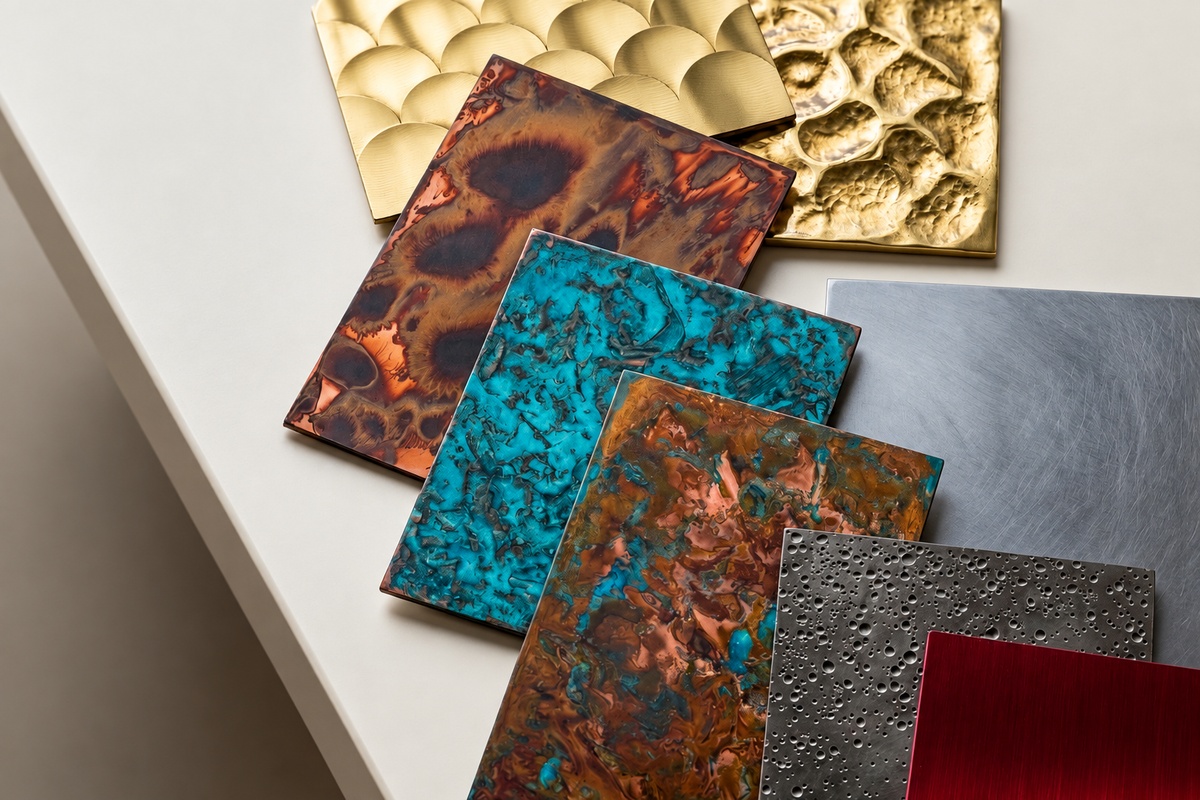
The finish is an important design choice because it determines how metal is perceived. A polished surface reflects light and enhances the presence of the material, while a satin finish highlights its texture. Oxidation, on the other hand, creates greater colour depth and a more tactile appearance.
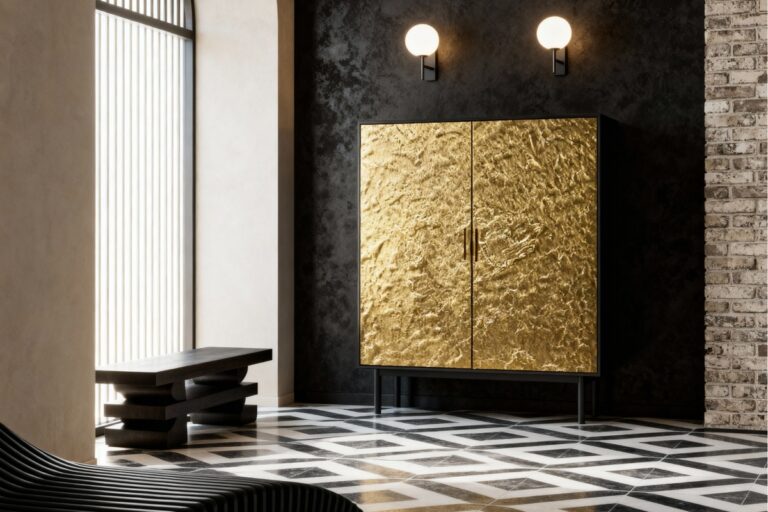
For this reason, when designing custom furniture, the finish should be considered alongside the shape, proportions and materials with which the metal will interact. A detail in burnished brass can become a defining feature of a piece with an antique look, while a polished or brushed stainless steel surface can contribute to a more minimalist and contemporary aesthetic.
When choosing a finish, colour is only one consideration. Reflections, depth, texture and level of gloss all contribute to the perception of the material and can significantly change the final appearance of the same element.
The finishes developed by Metalbril include:
The versatility of metal allows metalwork to be applied at different scales, from furniture pieces to architectural details. This is particularly interesting for projects where furniture, wall coverings and architectural components work together to create a consistent material language throughout an interior.
Tables, consoles, vases, kitchens, decorative elements and other furniture pieces can be made from metal and customised through their shape and finish. Metalbril creates bespoke pieces for interior design, without standardised catalogue production, developing finishes in response to the specific characteristics of each project.
Metal fabrication can also extend to surfaces: decorative panels, stairs, wall cladding, wall panelling, window and door frames, room dividers and other elements can become opportunities to use metal as an architectural material.
In a hotel or flagship store, for example, a metal surface can help create a distinctive visual identity, while in a private residence it can help establish continuity between furniture and architecture by repeating the same finish across different elements of the project.
Even smaller elements can play an important role in an interior. Lighting fixtures, inserts and exposed decorative details can introduce a metal finish as a design accent, especially when the same finish is echoed in other elements throughout the space.
In these cases, the visual impact of the surface becomes particularly important: its interaction with light, the precision of the joints and the quality of the finish all contribute to the overall perception of the object.
The choice of material depends not only on the desired aesthetic result but also on the characteristics of the element and the environment in which it will be used. Metalbril works with stainless steel, iron, brass, copper and aluminium, developing specific finishes for each material.
Stainless steel, for example, is used for cladding, panels, kitchens, architectural elements and custom furniture pieces and can be treated with finishes such as satin finishing, polishing and burnishing.
Iron, on the other hand, offers a strong material expression and can undergo oxidation, burnishing and painting, making it particularly suitable for staircases, doors and cladding.
Brass and copper offer greater scope for working with colour and surface depth, while aluminium is also suitable for large elements when keeping weight low is one of the project requirements.
When metalwork becomes part of a high-end interior design project, technical precision and aesthetic quality must go hand in hand. Artistic metal fabrication for furniture makes it possible to create bespoke elements in which geometries, construction details and finishes are defined according to the identity of the project.
For Metalbril, this means overseeing the project from the development of the drawings through to production and installation, maintaining direct control over the fabrication processes and finishes. The company produces custom samples based on the client’s requirements, allowing the finish and the designed element to be assessed before production begins.
Technical expertise is supported by specific standards and certifications. Metalbril is authorised to apply CE marking in accordance with EN 1090 for the execution of steel and aluminium structures and components, while its factory production control system is certified by AID.

For an interior design project, it is important to consider industry experience, expertise in commissioned bespoke fabrication and the quality of the finishes. For complex projects, it is also useful to assess the ability to manage the different stages through to installation and the availability of certifications that comply with European standards.
Custom metal furniture allows shapes, dimensions and finishes to be tailored to the characteristics of the project. Metal and its finish can also be combined with other materials to create unique elements, from furniture and structural components to cladding and architectural details.
A range of metals can be used in interior design, including stainless steel, iron, brass, copper and aluminium. The choice depends on the characteristics of the element and the desired result, while the finish helps define the colour, level of gloss, texture and tactile quality of the surface.
In furniture and surface design, metal can become a distinctive feature of an interior. Have an interior design project in mind? Contact us for a consultation

Fill out the form to request a no-obligation quote or to get more information about our services.
 Back to top